
In today’s busy and hyper-competitive world, parents often look for ways to raise children to become confident and responsible adults, well spoken and ambitious. While getting busy sorting this out, they look after one of the foundational life skills: Kindness for kids.
As per the research from Kids Mental Health Foundation, knowing why kindness is important for children today helps teach them manners at school. Nurturing a sense of compassion in early childhood alters their minds, shelters mental health, and sets them up for long-term SEL development.
Kindness for kids helps children develop empathy, emotional resilience, stronger relationships, and positive character traits. Simple acts of kindness practiced every day can shape a child’s behavior and future.
In her beautifully moving Christian children’s book, Faith, Family, Rodeo – and a Message of Love: Jesus and Rodeo, author Joa Alexander explores these very themes. This heart-touching book serves as a gentle reminder that the greatest gift we can give the next generation is the emotional and spiritual tools to build a gentler world.
The True Power of Kindness for Kids
We’re talking about building psychological resilience when we say kindness for kids. Children in today’s world have their own set of stressors from an early introduction to digital devices to social fears that are emerging earlier than previously seen.
The act of kindness is a natural antidote to these pressures of the modern world, with amazing physiological and emotional benefits:
- A child’s brain releases the “helper’s high” (Dopamine) and “the mood stabilizer”(Serotonin) when they act kindly. This reaction can instantly help in lowering cortisol levels, which results in lower stress and anxiety levels on a daily basis.
- Studies prove that kids regularly practicing compassion are more socially appreciated by peers. This naturally fosters compassion for kids, reducing the chances of loneliness, and further being involved in bullying.
- When a child feels included, shielded, appreciated and cherished in a compassionate surrounding, they improve focus, their mental health allows them to relax, boosting memory and classroom engagement.
3 Practical Ways of Teaching Kindness to Kids
Kindness is not genetic, it is a trait that grows with intention. As parents, we can help children develop positive character traits through everyday habits.
1. Model and Discuss Empathy for Children
Kids are born observers, they imitate what they see and learn. It is our responsibility to cultivate empathy for children by telling them the “why”, tell them exactly what their actions mean to others. Knowing how their actions impact other people’s lives will put an emotional impact on their minds.
2. Introduce Simple Kindness Activities for Kids
The best approach for young children is active learning. Introducing kindness activities for kids makes altruistic behavior a habit, rather than just following an order or an instruction. You can use a small jar naming it as “Kindness” where you reward your children with coins or candies every time it’s filled with paper tokens.
3. Integrate Kindness Lessons for Kids Into Storytime
Books help children understand how feelings can be regulated, how people react to certain behaviors and responses, research by MDPI Journal that blending story lessons to a child’s routine furnishes an organic platform for kindness lessons for children, making the way for crucial SEL. Stories give much to people to talk about, complex feelings, grief and joy.
Cultivating Compassion Through Faith, Family, and Rodeo
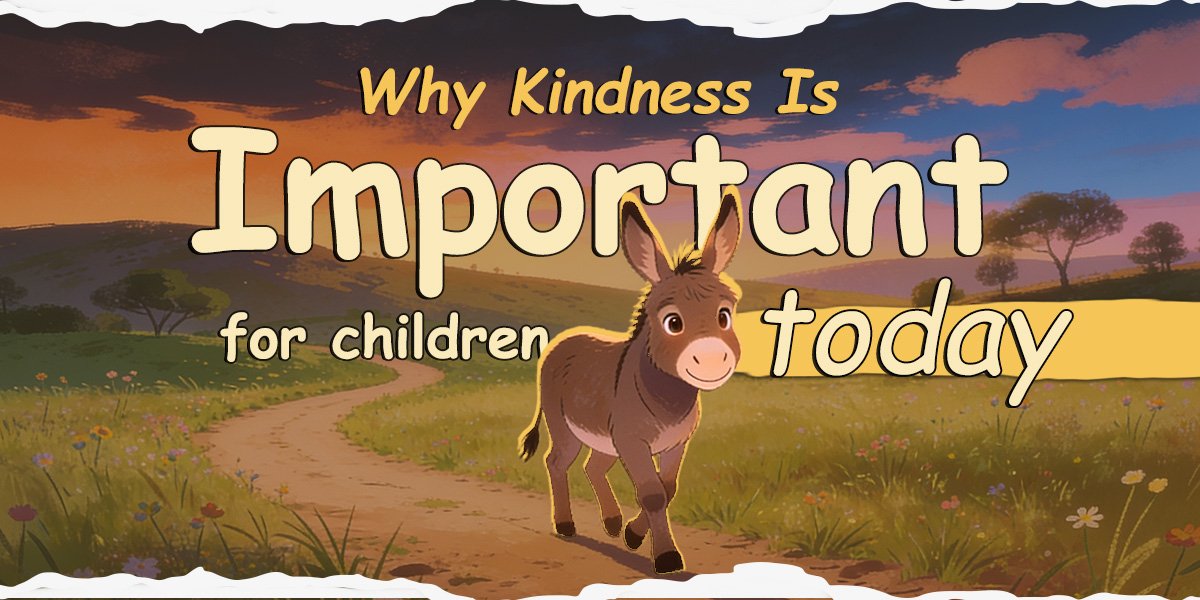
This deep focus on social emotional learning and faith-based values is exactly what makes Joa Alexander’s work so essential. Faith, Family, Rodeo – and a Message of Love. The book “Jesus and Rodeo” tells the beautiful story of Jesus’s love for all people and animals He created. Reaching the hearts of young readers, this moving tale is told entirely through the eyes of a young and gentle donkey named Clyde.
In the sweet memory of the author’s grandson, this beautiful story bases itself upon Rodeos’ life, firm family morals and faith. By combining the captivating world of rodeo with a tender message of compassion, helps overpass the distance between conceptual values and real life actions. It exhibits to little minds true strength is found in gentleness and that no person or animal is outside of God’s care.
From Clyde, the donkey, Jo A Alexander demonstrates that no act of generosity or compassion is ever too small to matter. The story serves as a perfect springboard for parents to ask open-ended questions like: “How does Jesus show us how to care for others?” or “What is one kind thing we can do for God’s creation tomorrow?”
Raising Thoughtful Children for a Brighter Tomorrow
In due course, how we teach our tykes to see things and respond shapes the future for upcoming generations. When we fortify self-improvement alongside academic accomplishments, we don’t just instruct a checklist of rigid rules but we are deliberately raising young individuals who will grow into considerate and empathetic leaders, partners, and citizens.
By illustrating empathy, engaging in shared activities, and reading meaningful literature together, we can give our kids the emotional and spiritual tools they need to thrive.
Enjoyed the post? You may also read our previous post titled “Top Children’s Books That Teach Kindness, Empathy, and Respect“. In that post, we shared a collection of books that might be helpful in helping children learn kindness through decent and memorable stories.
Final Thoughts
In a cruel world that teaches children to be self-centered, prioritizing kindness for kids is a silent but courageous rebellion. The absolute beauty of kindness lies in the fact that it costs us NOTHING! Yet the return is many times over . Even a tiny seed of empathy we plant – whether it is a sweet compliment on someone’s rough day, sharing household utensils with the new neighbour or turning the volume down for your music so it doesn’t hurt your elderly neighbour, decides how your future generations will act.
It isn’t possible to change everything in a single day, it’s just that we have to start, now, with the little ones in our care. Everything could be made possible with faith, modeling grace in our acts, and leaning into the ever lasting values of family and community, we can confidently raise a generation capable of healing a fractured world. Let’s take that first small step together today, knowing that no act of love is ever truly wasted.
FAQs
1- What advantages can I get from practicing kindness for kids?
It triggers a biological chemical “helper’s high,” that is dopamine and serotonin to minimize stress. Convivially, it promotes recognition, reduces isolation, and helps prevent intimidation or harassment while sharpening classroom focus.
2- How to talk about empathy to children?
Ask them to put themselves into this particular situation, ask them questions linking to their personal experiences, to help them connect actions to feelings better on an emotional level. .
3- What are some effective kindness activities for kids to learn from at home?
Use any empty box or jar and label it as “Kindness” to collect paper tokens, ask your kids to add one token for each act of kindness, every time it gets full, you reward children with anything of their liking.
4- Why are the vital kindness lessons for children for social emotional learning (SEL)?
They move children past a stubborn checklist of polite rules and build true emotional intellect. These lessons teach children on how to regulate big feelings, resolve conflicts, and build sound relationships.
5- How do stories like Faith, Family, Rodeo cultivate kindness
Books create a stage for social & emotional learning. The world through the lens of a character like Clyde (the donkey) bridges the distance between values and actions, corroborating that no act of compassion is itsy-bitsy.

